In the field of industrial manufacturing, aluminum alloys are widely used in various high-end equipment and precision components due to their advantages of lightweight, high strength, and corrosion resistance. However, different application scenarios place significantly different demands on material properties. Therefore, how to scientifically select the appropriate aluminum alloy has become a key factor for enterprises to improve product performance and enhance competitiveness.

First, the selection should be based on mechanical performance requirements. For example, in load-bearing structures or high-stress environments, high-strength aluminum alloys such as the 2xxx and 7xxx series should be prioritized. These materials offer excellent tensile strength and fatigue resistance, making them suitable for aerospace, rail transportation, and high-end equipment manufacturing.For applications where strength requirements are moderate but greater emphasis is placed on formability and machinability, 1xxx or 3xxx series aluminum alloys can be selected to reduce processing difficulty and cost.
Secondly, corrosion resistance must also be considered. In industries such as new energy equipment and semiconductor manufacturing, where high environmental stability is required, materials need to have strong oxidation and corrosion resistance. Aluminum alloys from the 5xxx and 6xxx series perform well in this regard, maintaining long-term stability under complex working conditions and helping reduce maintenance costs.
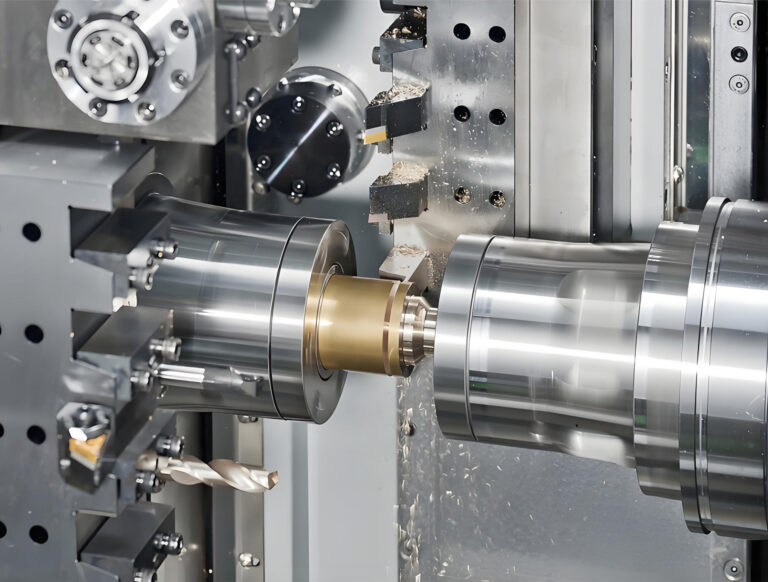
Furthermore, processing technology is also an important consideration. For example, for products requiring precision extrusion or complex cross-sectional shapes, 6xxx series aluminum alloys with excellent extrudability should be prioritized to ensure dimensional accuracy and surface quality.
For components that require welding or secondary processing, materials with good weldability should be selected to improve the overall structural reliability.
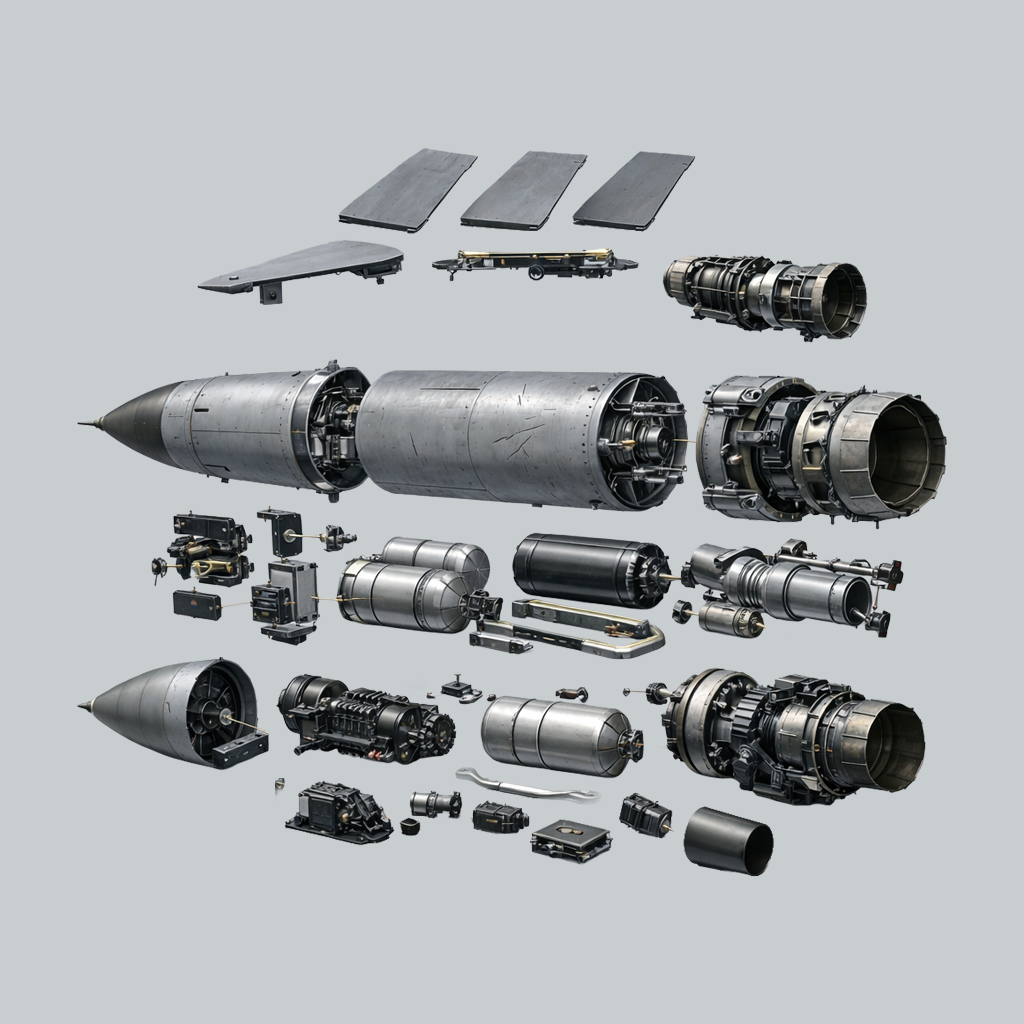
In addition, functional properties such as thermal conductivity and electrical conductivity should also be taken into account. In fields like electronic devices and new energy systems, aluminum alloys not only serve as structural materials but also perform heat dissipation or electrical conduction functions. In such cases, materials with well-balanced properties should be prioritized.
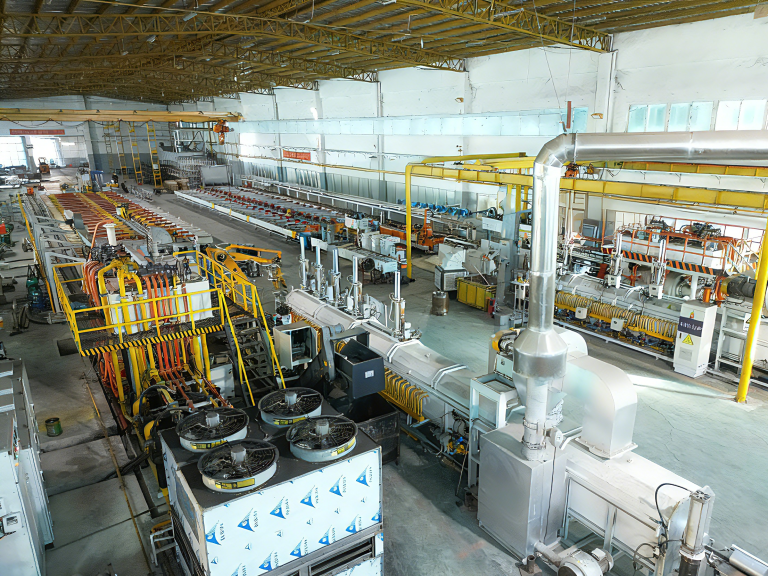
As a professional aluminum extrusion manufacturer, Guangdong Zhenhan Special Light Alloy Co., Ltd. focuses on the R&D and production of high-end aluminum alloys across the 1xxx–7xxx series. Its products are widely used in industrial manufacturing fields such as semiconductors, new energy, and aerospace.
Leveraging a comprehensive quality management system and advanced production equipment, the company is able to provide customized material solutions based on specific customer application requirements, helping businesses achieve the optimal balance between performance and cost across different use scenarios.
In summary, selecting the appropriate aluminum alloy requires a comprehensive consideration of multiple factors, including strength, corrosion resistance, processing performance, and functional requirements. Only by starting from actual application needs and scientifically matching material properties can the true value of aluminum alloys in industrial manufacturing be fully realized.