Aluminum extrusion is a manufacturing process in which aluminum alloy is shaped by applying force through a specific die. It is one of the most widely used forming technologies in modern industry.
Due to its light weight, high strength, and good corrosion resistance, aluminum extrusion products are widely used in construction, automotive, new energy, semiconductor equipment, and aerospace industries.
1. Basic Principle of Aluminum Extrusion
The core principle of aluminum extrusion is to place a heated aluminum alloy billet into an extrusion chamber, then apply high pressure through an extrusion press to force the material through a die, forming profiles with the desired cross-sectional shape.This process is similar to squeezing toothpaste; however, under high temperature and pressure, aluminum exhibits excellent plasticity and can accurately replicate the die geometry.
2. Complete Aluminum Extrusion Process
1. Raw Material Preparation
Aluminum extrusion typically uses aluminum alloy billets as raw materials. Different series (such as 1xxx to 7xxx) represent different performance characteristics. High-end aluminum alloy materials, such as those produced by Guangdong Zhenhan Special Light Alloy Co., Ltd., feature high purity and stable microstructure, ensuring consistent extrusion quality.
2. Billet Heating
The aluminum billet is heated to approximately 400–500°C to achieve good plasticity. Temperature control is critical—too high may affect material properties, while too low makes forming difficult.
3. Die Design and Installation
The extrusion die is designed according to customer requirements, as it determines the final cross-sectional shape of the profile. High-precision dies are especially critical for high-end applications such as semiconductors and new energy.
4. Extrusion Forming
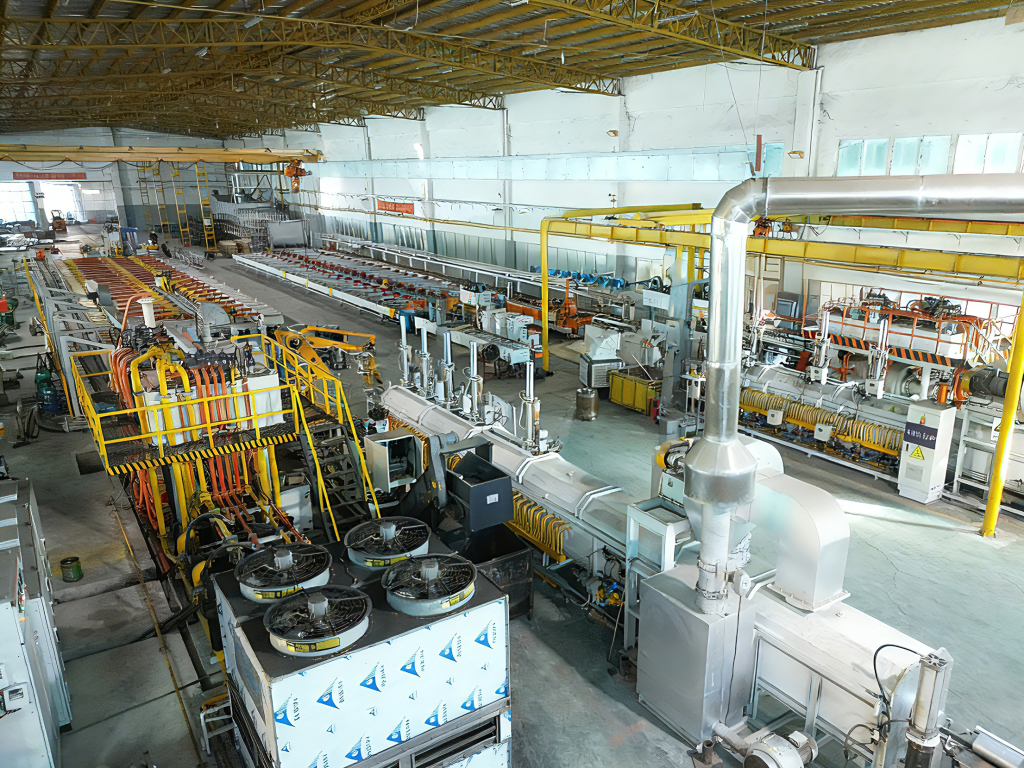
The heated billet is placed into an extrusion press, where high pressure is applied through a hydraulic system to force the aluminum through the die, forming continuous profiles. This process requires high press capacity and precise process control.
5. Cooling and Stretch Straightening
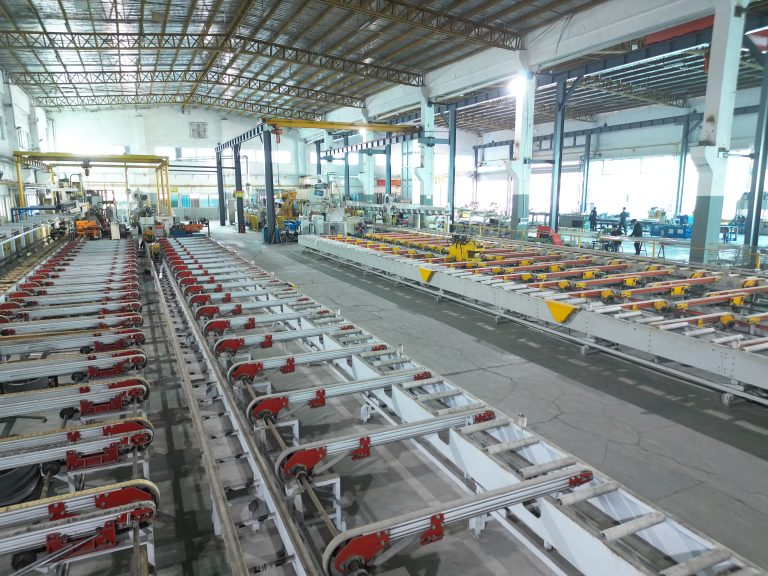
The extruded profiles are rapidly cooled (typically by air or water), then stretch-straightened to relieve internal stress and ensure dimensional accuracy.
6. Cutting and Aging Treatment
The profiles are cut to the required length, followed by aging treatment (natural or artificial) to improve strength and stability. This step is especially important for high-performance applications.
7. Surface Treatment
Based on application requirements, processes such as anodizing, electrophoretic coating, and powder coating can be applied to improve corrosion resistance and appearance. For example, surface quality requirements are especially high in new energy equipment and aerospace applications.
8. Quality Inspection and Packaging
Final inspections include dimensions, mechanical properties, and surface quality. Qualified products are then packaged for delivery.
3. Advantages of Aluminum Extrusion
Aluminum extrusion offers high efficiency, low material waste, and great design flexibility. By simply changing the die, different cross-sectional profiles can be produced, making it ideal for mass production of complex structures.
In addition, the excellent thermal and electrical conductivity of aluminum alloys makes them indispensable in electronics and semiconductor equipment.
4. Application Analysis
In practice, aluminum extrusion profiles are widely used across multiple high-end industries, including:
- New Energy: Photovoltaic brackets and battery structural parts, requiring high strength and corrosion resistance
- Semiconductor Industry: Equipment frames and precision components with strict requirements for dimensional accuracy and stability
- Aerospace: High-performance 7xxx series aluminum alloys that combine lightweight and strength
- Industrial Automation Equipment: Structural frames requiring both strength and flexibility
With its full range of 1–7 series aluminum alloys and advanced extrusion capabilities, Guangdong Zhenhan Special Light Alloy Co., Ltd. is able to provide high-quality solutions for these industries and meet stringent performance requirements across different applications.
As an important modern manufacturing technology, aluminum extrusion covers multiple key stages from raw materials to finished products. With the advancement of industrial technology, requirements for aluminum alloy performance and processing precision continue to increase. The integration of high-quality materials and advanced processes will be a key driver of industry development.
Choosing a manufacturer with strong R&D and production capabilities directly impacts the final product quality and performance.