With the rapid advancement of new energy vehicles (NEVs) and global energy-saving and emission-reduction policies, automotive lightweighting has become a key development direction in the global automotive industry. Among various lightweight materials, aluminum alloys stand out due to their superior performance. As a fundamental processing material, aluminum rods are playing an increasingly vital role in the manufacturing of automotive components.
1. The Inevitable Trend of Automotive Lightweighting
Reducing vehicle weight by 10% can improve fuel efficiency by approximately 6%–8%, while significantly lowering carbon emissions. In the field of new energy vehicles, lightweighting is even more critical, as it directly impacts driving range and battery efficiency.
As a result, the adoption of high-performance, low-density materials has become a core strategy for automakers.
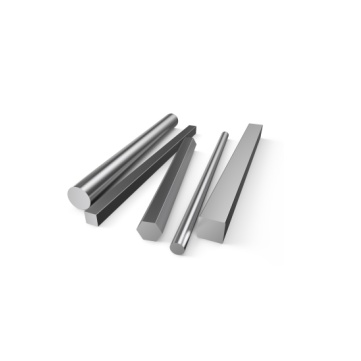
With a density approximately one-third that of steel, aluminum alloys are an ideal choice for lightweighting. Aluminum rods, as one of the primary forms of aluminum alloy materials, are widely used in precision-machined automotive components.
2. Key Applications of Aluminum Rods in Automotive Components
Through extrusion, forging, and precision machining, aluminum rods can be used in a wide range of critical automotive parts, including:
- Engine components (such as pistons and cylinder structures)
- Battery housings and structural supports for new energy vehicles
- Suspension system components
- Steering system parts
- Thermal management system components
These applications require materials that are not only lightweight but also offer high strength, corrosion resistance, and excellent machinability.
3. Core Advantages of Aluminum Rod Materials
3.1 Outstanding Lightweight Performance
Aluminum rods feature low density, enabling significant weight reduction while maintaining structural strength. They are especially suitable for battery systems and structural components in new energy vehicles.
With aluminum rod materials from the 1xxx to 7xxx series, precise material selection can be achieved based on different strength requirements, ensuring an optimal balance between structural performance and weight control.
3.2 High Strength and Excellent Mechanical Properties
Through optimized alloy composition and heat treatment processes (such as T6 and T651 tempers), aluminum rods can achieve strength levels close to—or even partially replacing—steel.
- 6xxx series alloys: Balanced strength and corrosion resistance
- 7xxx series alloys: Ultra-high strength for high-load structural applications
This ensures reliability in critical load-bearing automotive components.
3.3 Excellent Machining Performance
Aluminum rods offer excellent machinability and formability, making them ideal for:
- CNC precision machining
- Extrusion processes
- Forging applications
Guangdong Zhenhan Special Light Alloy,with advanced extrusion capabilities and mature production processes, high-quality aluminum rods can be manufactured with stable dimensions and uniform microstructure, significantly improving downstream processing efficiency and yield rates.
3.4 Superior Corrosion Resistance
Aluminum alloys naturally form a dense oxide layer on their surface, effectively resisting corrosion from air, moisture, and chemicals. This ensures stable performance in complex automotive environments such as high temperature, high humidity, and salt spray conditions.
Additional surface treatments, such as anodizing, can further enhance durability and extend component service life.
3.5 Excellent Thermal and Electrical Conductivity
In new energy vehicles, thermal management is critical. Aluminum rods provide excellent thermal conductivity and are widely used in:
- Battery cooling structures
- Motor cooling systems
- Power module heat dissipation components
These properties play a key role in improving vehicle safety and performance stability.
3.6 Environmental and Sustainability Advantages
Aluminum is 100% recyclable, and the energy required for recycling is only about 5% of that needed for primary aluminum production. This aligns with global trends toward green manufacturing and low-carbon development.
Aluminum materials that comply with environmental standards such as RoHS help meet the stringent requirements of sustainable automotive supply chains.
4. Future Development Trends
As the automotive industry continues to evolve toward electrification and intelligent technologies, material performance requirements will become increasingly demanding. High-performance aluminum rods are expected to advance in the following areas:
- Development of higher-strength, lighter-weight alloys
- Improved dimensional precision and consistency
- Customized material solutions for new energy vehicles
With advanced production equipment and strict quality control systems,we are continuously driving the deeper application of high-end aluminum alloys in the automotive sector.
As a key foundational material for automotive lightweighting, aluminum rods have become an essential choice in automotive component manufacturing due to their light weight, high strength, corrosion resistance, and excellent machinability.
In the era of rapid growth in new energy vehicles, selecting a high-quality aluminum rod supplier is more important than ever. With strong expertise in aluminum alloy R&D and manufacturing, reliable partners can provide stable and high-performance material solutions, supporting a more efficient and sustainable future of mobility.