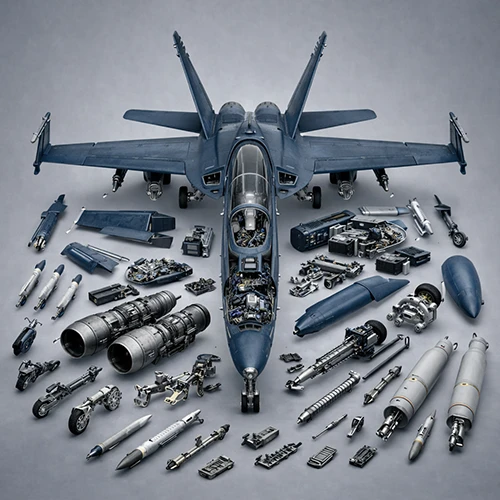
In high-end manufacturing industries such as aerospace, new energy vehicles, optical equipment, robotics, drones, and semiconductor equipment, high-precision aluminum bars have become a critical foundational material. The dimensional accuracy, internal microstructure, strength stability, and machinability of these bars directly impact subsequent CNC machining efficiency and final product quality. Therefore, selecting a reliable high-precision aluminum bar manufacturer is of paramount importance.
- Evaluate Full-Scale Production Capabilities
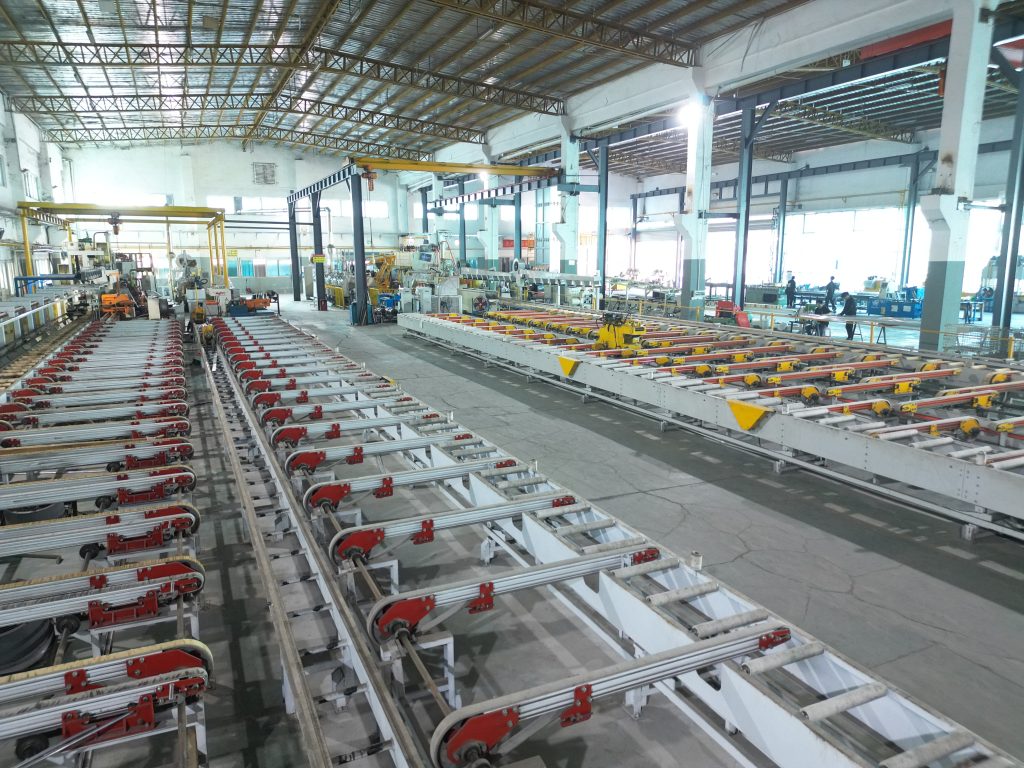
A truly capable aluminum bar manufacturer typically possesses a complete production workflow, including melting and casting, homogenization, extrusion, drawing, heat treatment, and precision sawing. Only with full-process capabilities can a manufacturer effectively control dimensional tolerances, internal grain structure, and the stability of mechanical properties. For instance, in sectors like aerospace components and drone structural parts, the requirements for high-strength alloys such as 7075, 2024, and 7050 are extremely stringent. If a factory lacks mature heat treatment processes, it can easily lead to inconsistent material hardness and significant deformation during machining.
2. Evaluate High-End Aluminum Alloy Production Experience
Material requirements vary significantly across different application fields. For example:
Optical lens structural components prioritize surface quality and machining precision.
New Energy Vehicle (NEV) parts focus on strength and lightweighting.
Robotic components emphasize stability and fatigue resistance.
Aerospace applications demand extremely high material consistency.
Therefore, selecting a manufacturer with extensive industrial manufacturing experience is more critical than simply comparing prices. As a professional aluminum extrusion manufacturer, Guangdong Zhenhan Special Light Alloy Co., Ltd. has long focused on the R&D and production of high-end 1xxx to 7xxx series aluminum alloy materials. Our products are widely used in sectors such as semiconductors, new energy, aerospace, drones, and high-end equipment manufacturing, providing high-precision aluminum bar, aluminum tube, and customized profile solutions.
3. Verify Material Certifications and Quality Systems
High-end industrial clients typically require materials to comply with international standards. Therefore, whether a manufacturer possesses a comprehensive certification system is critical.
Common certifications include:
ISO 9001 Quality Management System
IATF 16949 Automotive Quality Management System
RoHS Environmental Certification
Possessing these certifications indicates that the manufacturer adheres to standardized practices in production management, quality control, and material traceability.
4. Assess Inventory and Lead Time Capabilities
Many projects operate under strict deadlines. If a manufacturer has insufficient stock or excessively long production cycles, it can easily disrupt a client’s project timeline. A high-quality aluminum bar manufacturer typically maintains ready stock of common specifications—such as 6061, 7075, 2024, 5083, and 6082 aluminum bars—enabling them to respond quickly to customer demands and significantly shorten procurement lead times.
5. Prioritize Long-Term Stability Over Price Alone
Low-priced materials may seem to save costs initially, but if issues such as dimensional deviation, cracking during machining, or poor oxidation results occur, the subsequent losses will be far greater. A truly high-quality manufacturer of high-precision aluminum bars does more than just supply material; they recommend the appropriate aluminum alloy grade, temper, and processing solutions based on the client’s specific application scenarios. This helps clients improve product quality and production efficiency from the very beginning. For high-end manufacturing enterprises, a stable and reliable material supply chain is often much more valuable than a lower price tag.